
Under Hawaii Act 104 (effective Jan 1, 2021):
You can take sunscreen to Hawaii, provided it does not contain oxybenzone or octinoxate, which are restricted under Hawaii law. The state has strict rules to protect its delicate coral reefs, so choosing the right sunscreen is just as important as packing your swimsuit.
If you’re planning a trip, it’s important to understand what sunscreen is safe to bring, how it affects the marine environment, and how to protect your skin responsibly while enjoying the sun.
The islands are home to some of the most vibrant coral ecosystems in the world, but unfortunately, certain sunscreen chemicals can harm these important habitats.
Mineral sunscreens with zinc oxide or titanium dioxide are widely regarded as a more reef-conscious option.broad-spectrum protection while keeping Hawaii’s waters healthy.
By limiting the use of harmful ingredients, Hawaii aims to preserve its natural ecosystems while still allowing people to enjoy the outdoors safely.
Choosing the right sunscreen isn’t just about skin protection, it’s a small but meaningful way to protect some of the world’s most precious coral reefs. Learn more about chemical sunscreen pollution on the Maui Nui Marine Resource Council’s page.
Which Sunscreen Ingredients Are Restricted Under Hawaii Law?
When preparing for your trip, it’s helpful to know which ingredients are restricted. Hawaii bans sunscreens that contain:
| Ingredient | Why It’s Restricted |
|---|---|
| Oxybenzone | Linked to coral bleaching and DNA damage in coral larvae. |
| Octinoxate | Contributes to coral bleaching and reef degradation. |
Some environmental organizations also encourage avoiding additional UV filters out of caution, although these are not banned statewide.
| Ingredient | Why It Should Be Avoided |
|---|---|
| Avobenzone | Breaks down in sunlight; may harm marine life when combined with other chemicals. |
| Homosalate | Builds up in water and negatively affects aquatic organisms. |
| Octocrylene | Linked to chemical buildup in coral, impairing growth and reproduction. |
| Parabens | Pollute marine ecosystems and may disrupt hormonal function in aquatic species. |
| Nanoparticles | Easily absorbed by marine life, raising toxicity concerns. |
⚠️ Tip: Avoid using spray-on products. They can leave residue on the sand or shore that is then washed off into the ocean during high tides or rainstorms.
Why Are Mineral Sunscreens Reef-Safe?
Mineral sunscreens, also called physical sunscreens, are considered safe for both people and reefs. These formulas use zinc oxide or titanium dioxide to form a physical barrier on the skin that reflects and scatters UV rays.
Mineral SPFs also protect immediately upon application, there’s no waiting time. In Hawaii, some consumers prefer non-nano mineral sunscreens out of an abundance of caution, although research suggests zinc oxide particles, nano and non-nano, tend to aggregate in water rather than freely penetrate biological tissue.
The term “non-nano” means the particles are slightly larger, so they stay on the skin’s surface instead of being absorbed. Because they don’t dissolve or release harmful chemicals into the water, they provide broad-spectrum protection against UVA and UVB rays, while keeping coral reefs and marine life safe.
Tips for Protecting Your Skin and the Coral Reefs
Even with a reef-safe sunscreen, there are additional steps you can take to protect your skin and the environment:
- Check the ingredients before you pack and make sure your sunscreen is free from reef-harming chemicals.
- Apply the right amount and cover all exposed areas, including ears, hands, and feet. Use our easy to follow 4 step guide on how to apply mineral sunscreen properly.
- Reapply every two hours, especially after swimming and sweating.
- Use protective clothing like wide-brimmed hats and t-shirts, to help reduce the amount of sunscreen you need.
- Seek shade when possible, particularly during peak sun hours, usually between 10am and 4pm.
Is PoolBar London’s Sunscreen Hawaii-Compliant?
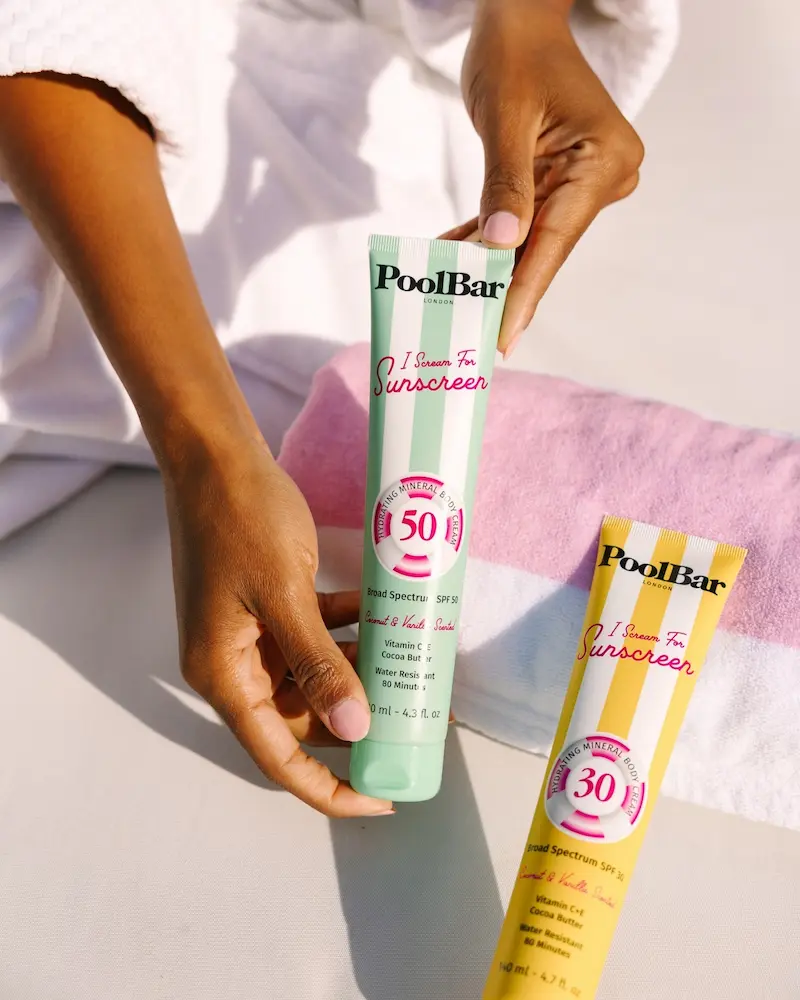
For those looking for a convenient and effective solution, PoolBar’s mineral sunscreens are fully compliant with Hawaii regulations.
Containing non-nano zinc oxide as the active ingredient, these formulas provide broad-spectrum protection against UVA and UVB rays.
Antioxidants support skin health by helping neutralize free radicals, and the products are reef safe and up to 80 minutes water-resistant.
Our sun care is designed for everyday use, whether layered under your regular skincare or worn alone, providing consistent protection without compromising your skin or the environment.
Responsible Sun Care
Reef-safe, mineral-based sunscreens allow you to enjoy the sun, surf, and sand while minimizing harm to coral reefs.
When planning your Hawaiian adventure, remember to check ingredients and follow good sun safety practices. With the right sunscreen, like PoolBar mineral SPF, you can keep your skin safe and support the health of Hawaii’s reefs, making your trip enjoyable and responsible.

FAQs About Hawaii-Compliant Sunscreen
What kind of sunscreen can I take to Hawaii?
Mineral sunscreens with non-nano zinc oxide or titanium dioxide that are labeled “reef-safe” are allowed.
Are chemical sunscreens banned in Hawaii?
Yes, many chemical sunscreens with ingredients like oxybenzone and octinoxate are banned due to coral reef damage.
Is PoolBar sunscreen allowed in Hawaii?
Yes. PoolBar’s mineral sunscreen uses non-nano zinc oxide and complies with Hawaii’s reef-safe regulations.