
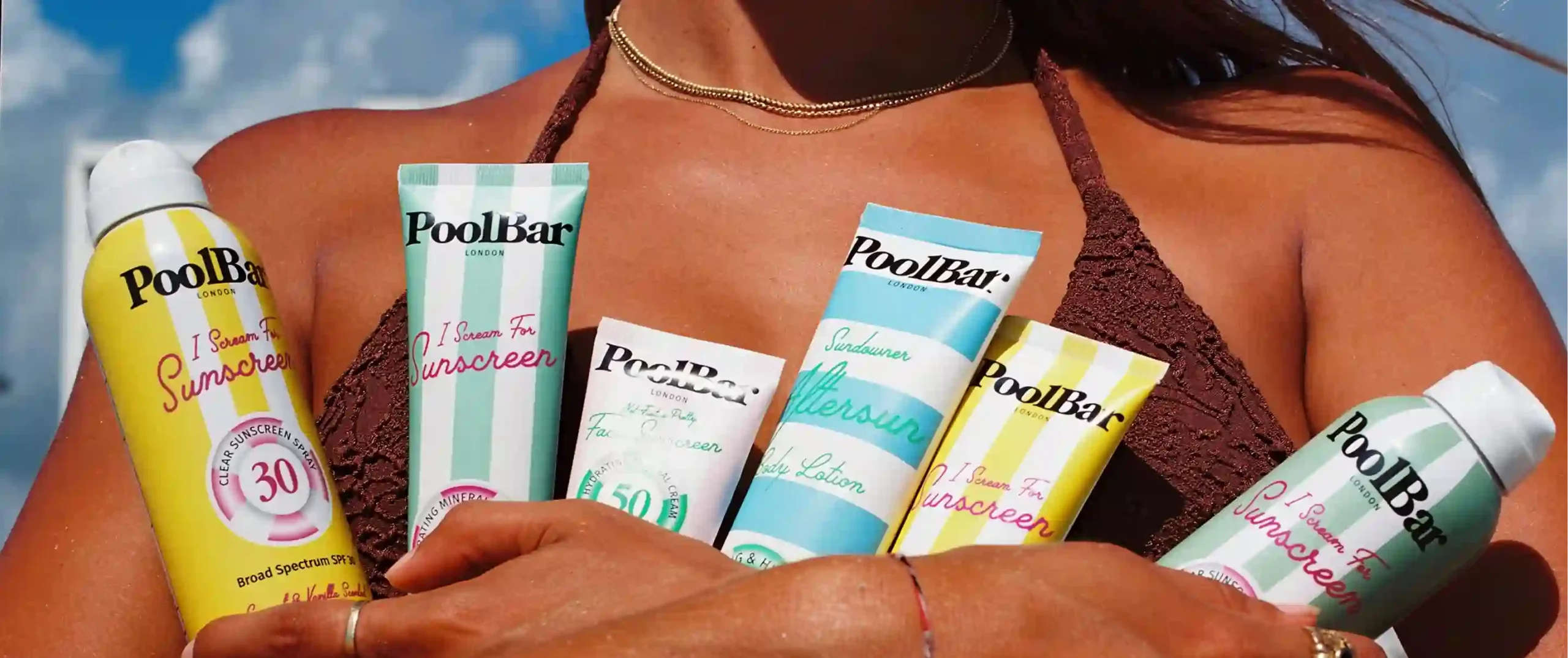
Reef Safe Sunscreen
Not all sunscreen is safe for the ocean. PoolBar’s reef safe sunscreen range is fully Hawaii Act 104 compliant, free from oxybenzone and octinoxate, and formulated with non-nano zinc oxide. Protection that works for your skin and the water you swim in.




Where to Buy







What Makes a Sunscreen Reef Safe?
Reef safe sunscreen is defined by what it does not contain. The two most damaging chemical filters for coral reef ecosystems are oxybenzone and octinoxate. Both are absorbed by coral tissue, where they disrupt reproduction, cause bleaching, and contribute to long-term reef degradation. Hawaii became the first US state to ban both ingredients under Hawaii Act 104, which came into effect in January 2021.
Hawaii Act 104 is now the global benchmark for reef safe sunscreen. A product that meets this standard is free from oxybenzone and octinoxate and can be legally sold, used, and brought into Hawaii without being confiscated by customs.
Every PoolBar sunscreen in this range is fully Hawaii Act 104 compliant. That includes both the mineral cream formulas and the SPF Clear Sprays.
Why Non-Nano Zinc Oxide Is the Reef Safe Standard
The active ingredient that makes PoolBar sunscreen reef safe is non-nano zinc oxide. Zinc oxide is one of only two active ingredients the FDA recognises as safe and effective for broad-spectrum sun protection, and in its non-nano form it is the gold standard for ocean-safe sun care.
The particle size is what matters. Nano zinc oxide uses particles small enough to pass through coral tissue, contributing to the same bleaching and reproductive disruption caused by chemical filters. Non-nano zinc oxide particles are too large to penetrate coral tissue or the skin barrier, which means they deliver full UVA and UVB protection without the environmental cost.
Non-nano zinc oxide also works immediately on application. Unlike chemical sunscreen, which needs to be absorbed to activate, zinc oxide sits on top of the skin as a physical shield from the moment you apply. No wait time, no absorption, no chemicals entering the bloodstream.
Every PoolBar reef safe sunscreen is also enriched with Vitamins C and E. Sun exposure generates free radicals, which are unstable molecules that damage skin cells. Vitamins C and E are potent antioxidants that neutralize these free radicals, protecting the skin from oxidative damage and premature aging. Suncare infused with skincare, all year round.
Shop PoolBar Reef Safe Sunscreen
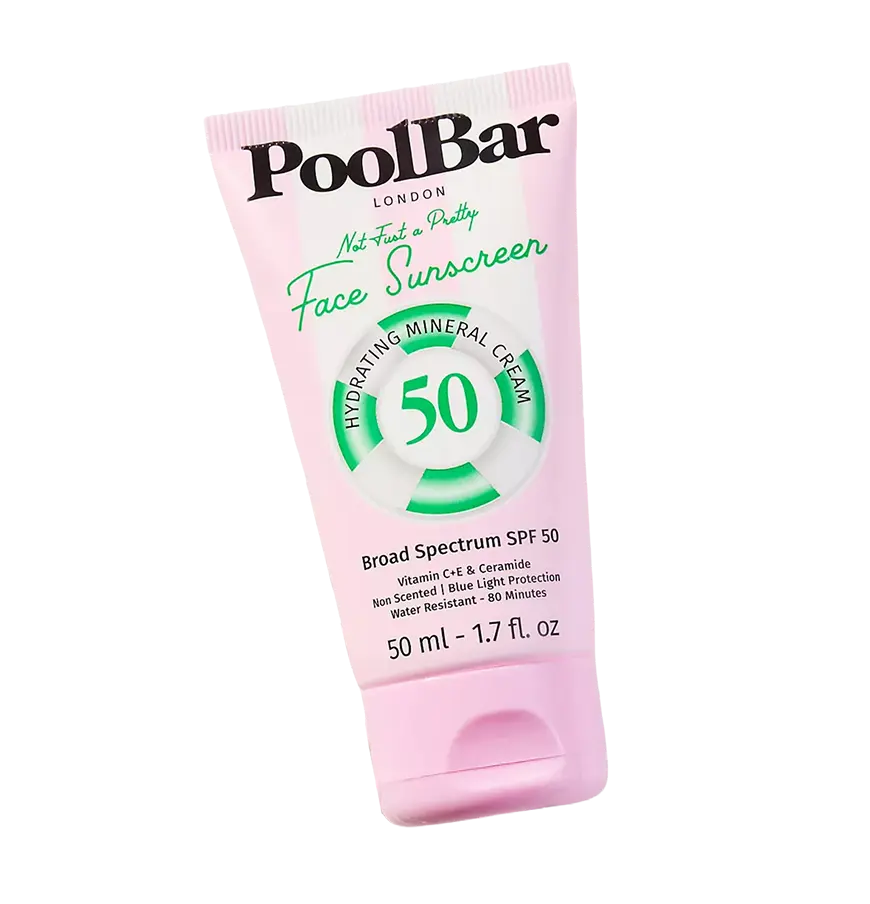
Mineral SPF 50 Face Cream – $14.99
Zinc oxide is the Active Ingredient for UVA/UVB protection in this dedicated face formula. Broad-spectrum SPF 50, Hawaii Act 104 compliant, water resistant. Non-nano zinc oxide enriched with Vitamins C and E. Formulated and manufactured in the USA. Best for: daily face protection, sensitive skin, ocean use.
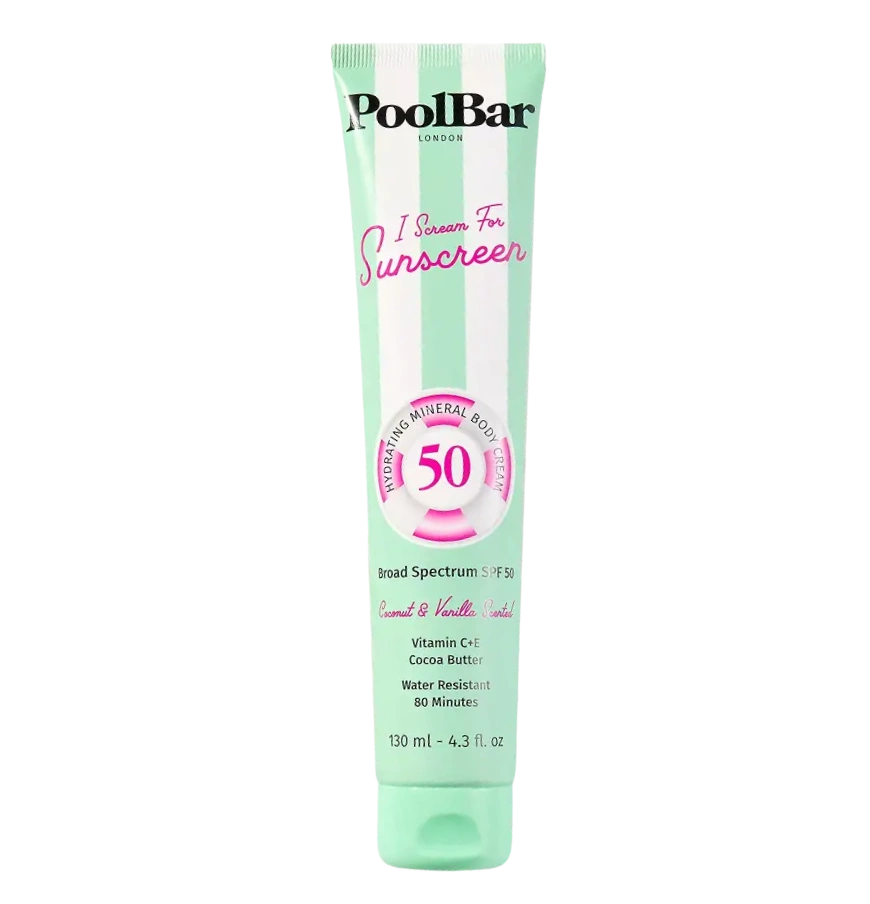
Mineral SPF 50 Body Cream – $19.99
Full-body reef safe protection at SPF 50. A rich, moisturising formula that stays put through heat and water. Broad-spectrum non-nano zinc oxide enriched with Vitamins C and E. Hawaii Act 104 compliant. Formulated and manufactured in the USA. Best for: beach days, high UV index days, snorkelling and swimming.
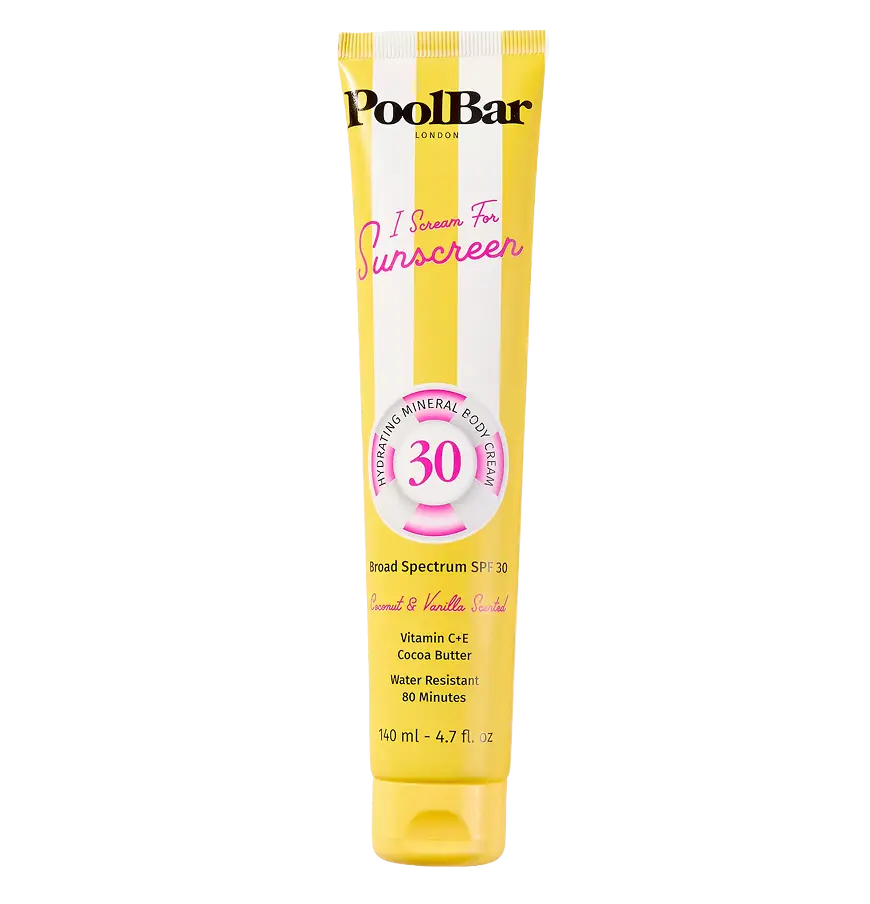
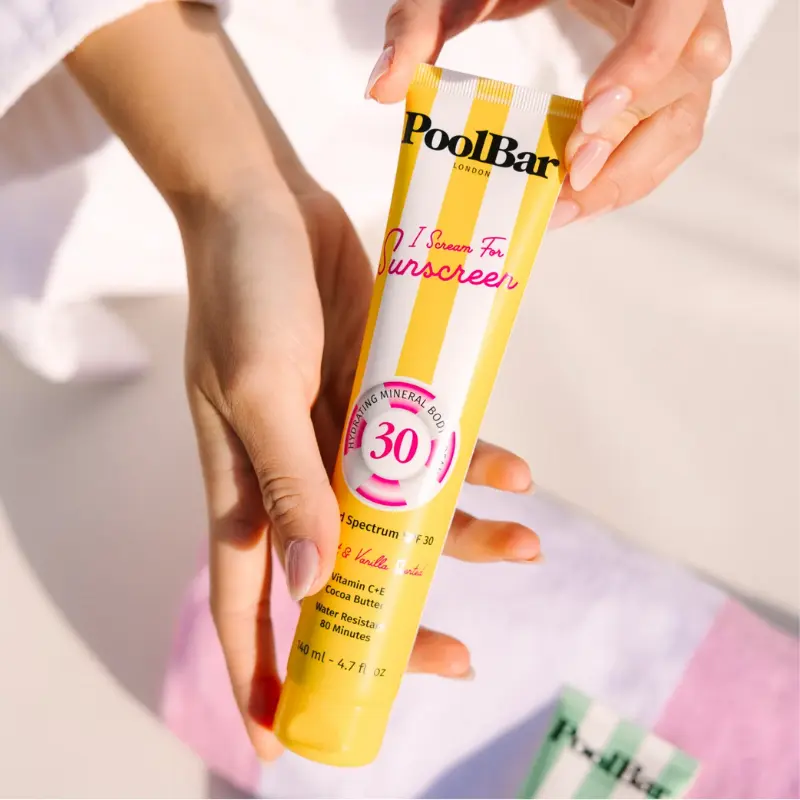
Mineral SPF 30 Body Cream – $19.99
Everyday reef safe body protection at SPF 30. Hydrating broad-spectrum formula with non-nano zinc oxide. Water resistant. Hawaii Act 104 compliant. Formulated and manufactured in the USA. Best for: extended outdoor exposure, family use, year-round sun care.
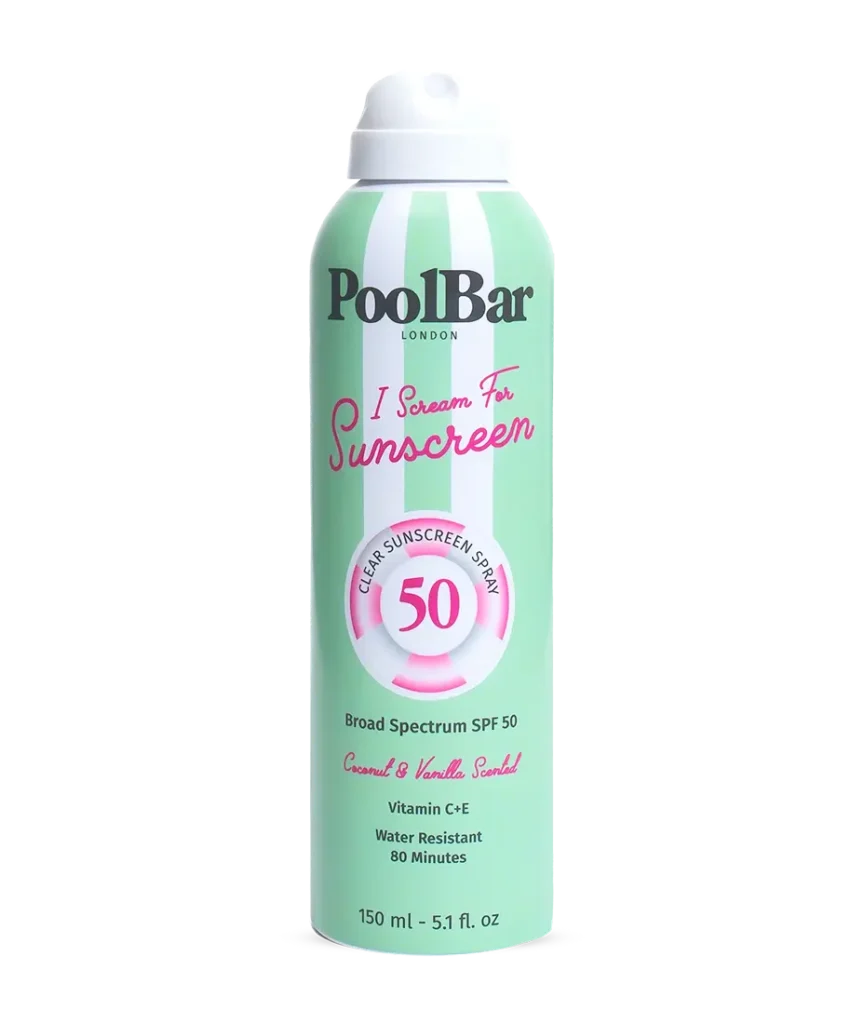
SPF 50 Clear Spray – $19.99
A reef safe SPF 50 clear spray for face and body. Broad-spectrum High Protection in a clear, non-greasy formula. Hawaii Act 104 compliant. Remember: sprays always need to be rubbed in to offer SPF protection. Formulated and manufactured in the USA. Best for: easy application, body coverage, beach and poolside use.
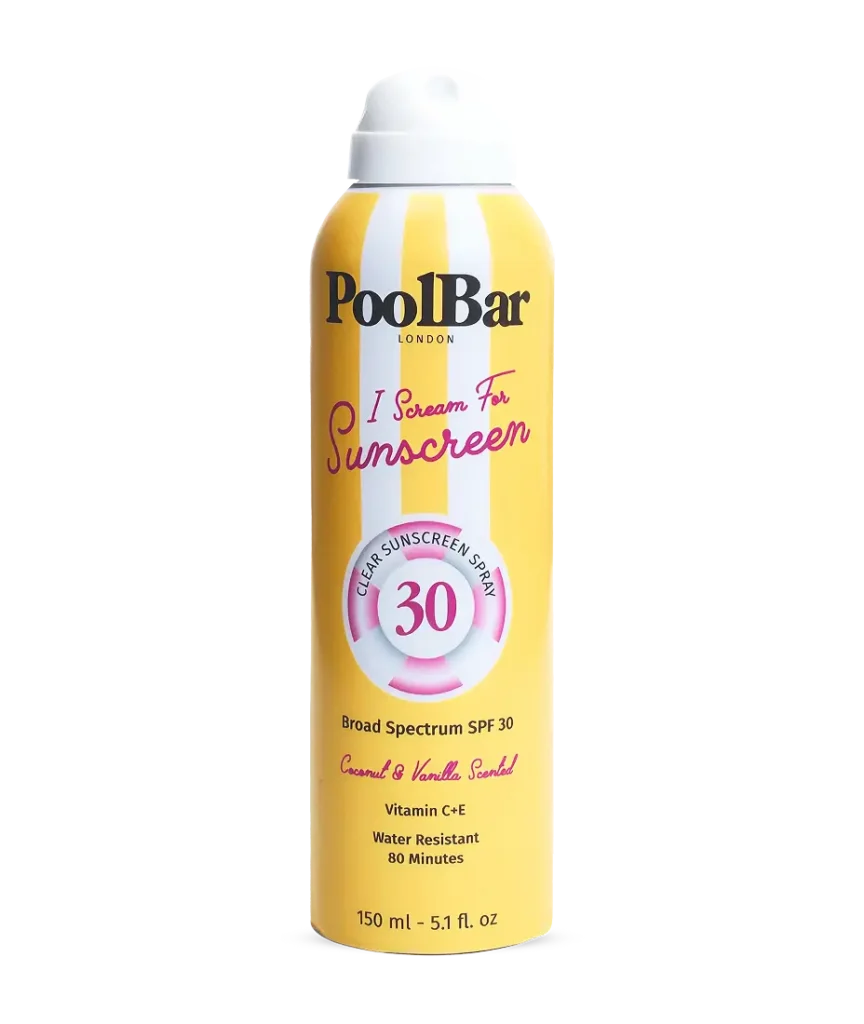
SPF 30 Clear Spray – $19.99
Reef safe SPF 30 broad-spectrum protection in a clear spray formula. Hawaii Act 104 compliant. Remember: sprays always need to be rubbed in to offer SPF protection. Formulated and manufactured in the USA. Best for: everyday outdoor use, family application, year-round sun care.
Reef Safe Sunscreen - Frequently Asked Questions
Is reef safe sunscreen as effective as regular sunscreen?
Yes. Non-nano zinc oxide delivers full broad-spectrum UVA and UVB protection and is one of only two active ingredients the FDA recognises as safe and effective for sun protection. Reef safe does not mean reduced protection. PoolBar’s reef safe range is available in both SPF 30 and SPF 50.
Can I take reef safe sunscreen to Hawaii?
Yes. Hawaii Act 104 bans sunscreens containing oxybenzone and octinoxate, and customs can legally confiscate non-compliant products. All PoolBar sunscreens are Hawaii Act 104 compliant, meaning they can be used in Hawaii, taken into Hawaii, and will not be confiscated at customs.
Is reef safe sunscreen better for sensitive skin?
Generally, yes. Reef safe sunscreens based on zinc oxide avoid the chemical filters most associated with skin irritation, including oxybenzone and avobenzone. Non-nano zinc oxide sits on top of the skin rather than absorbing into it, making it well-suited for skin prone to sensitivity, redness, or reactivity.
Are SPF sprays reef safe?
PoolBar’s SPF Clear Sprays are Hawaii Act 104 compliant and free from oxybenzone and octinoxate. Sprays always need to be rubbed in after application to offer full SPF protection.
What is the difference between reef safe and regular sunscreen?
Regular chemical sunscreen often contains oxybenzone and octinoxate, both of which are absorbed by coral tissue and contribute to reef bleaching and degradation. Reef safe sunscreen, like PoolBar’s non-nano zinc oxide range, uses physical filters that do not penetrate coral tissue or the skin barrier. Hawaii Act 104 is the legal benchmark that defines the standard.
Does reef safe sunscreen expire?
Yes. All sunscreen has an expiry date, typically two to three years from the date of manufacture. Expired sunscreen should not be relied on for sun protection as the active ingredients degrade over time and SPF efficacy is no longer guaranteed. Check the bottom of your PoolBar bottle for the expiry date before use.