
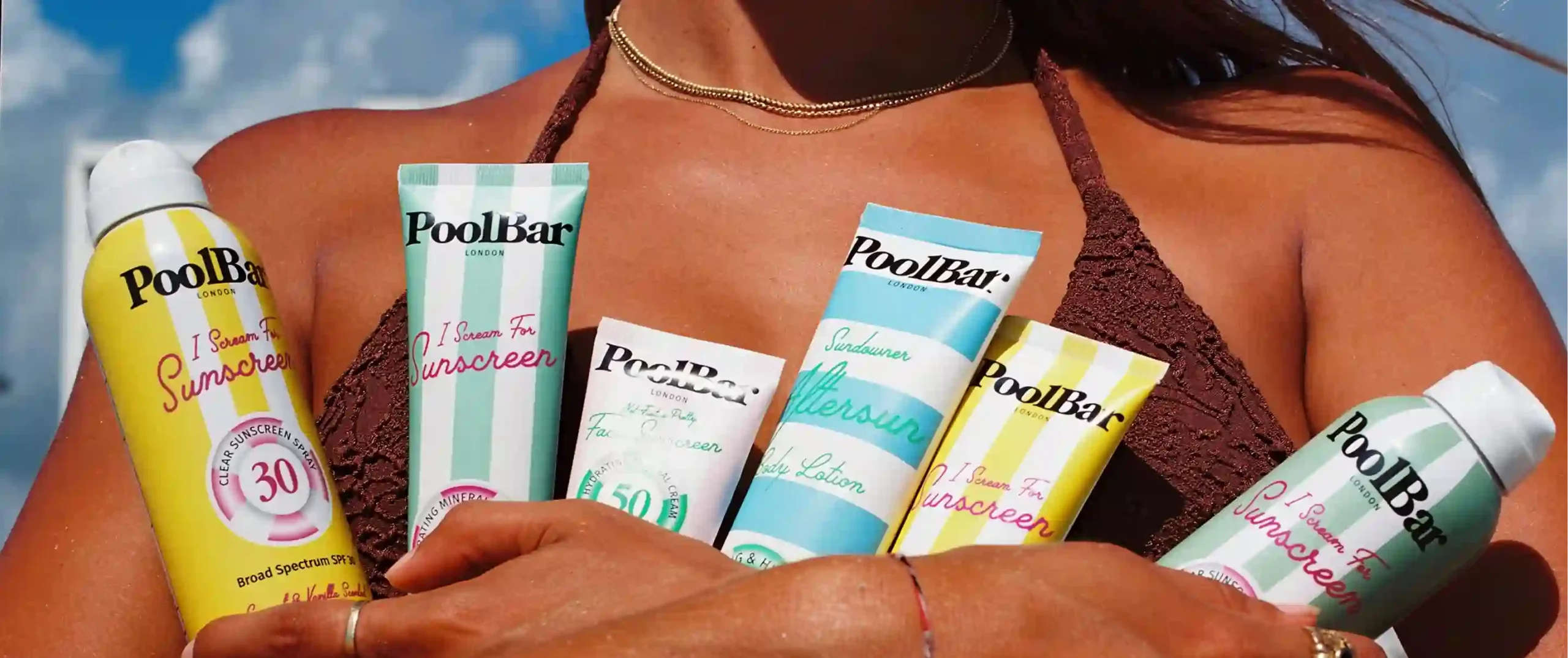
Sunscreen For Sensitive Skin
PoolBar’s mineral sunscreen range uses zinc oxide as the active ingredient for UVA/UVB protection, making it the go-to choice for sensitive and reactive skin. Zinc oxide sits on top of the skin as a physical barrier, with no chemicals absorbed. Dermatologically tested, free from oxybenzone, octinoxate, and parabens, and formulated and manufactured in the USA.


Where to Buy







Why Mineral Sunscreen Is Better For Sensitive Skin
Sensitive skin reacts to ingredients that penetrate or irritate the skin barrier. Chemical sunscreen needs to be rubbed in and absorbed to activate, which is where the risk of irritation begins.
Zinc oxide works differently. It sits on top of the skin as a physical barrier and deflects UV radiation from the moment you apply, with no absorption required.
Dermatologists recommend mineral sunscreen using zinc oxide or titanium dioxide for sensitive, reactive, and allergy-prone skin precisely because of this mechanism. The active ingredient does not interact with the skin in the same way chemical filters do, making it significantly better tolerated across most skin types.
PoolBar’s mineral range uses non-nano zinc oxide, meaning the particles are large enough that they do not penetrate the skin barrier.
Free from oxybenzone, octinoxate, and parabens, three of the most common causes of sunscreen-related skin reactions. Every formula is dermatologically tested and cruelty-free.
What To Look For In Sunscreen For Sensitive Skin
Choosing the right sunscreen for sensitive skin comes down to a few key factors.
Zinc oxide as the active ingredient
Zinc oxide is the most widely recommended active ingredient for sensitive skin. It does not need to be absorbed to work, does not interact with the skin barrier, and has a long safety record across dermatology.
Non-nano particle size
Non-nano zinc oxide means the particles are large enough that they do not penetrate the skin barrier. This is what makes mineral sunscreen safer for sensitive skin, children, and reef environments alike.
Free from known irritants
Oxybenzone, octinoxate, and parabens are among the most common causes of contact dermatitis and skin reactions from sunscreen. Every PoolBar mineral formula is free from all three.
Dermatologically tested
Dermatologically tested means the formula has been assessed by dermatologists to confirm it is suitable for use on skin. Every formula in PoolBar’s sun care range is dermatologically tested.
Which Eco Friendly SPF Is Right for You?
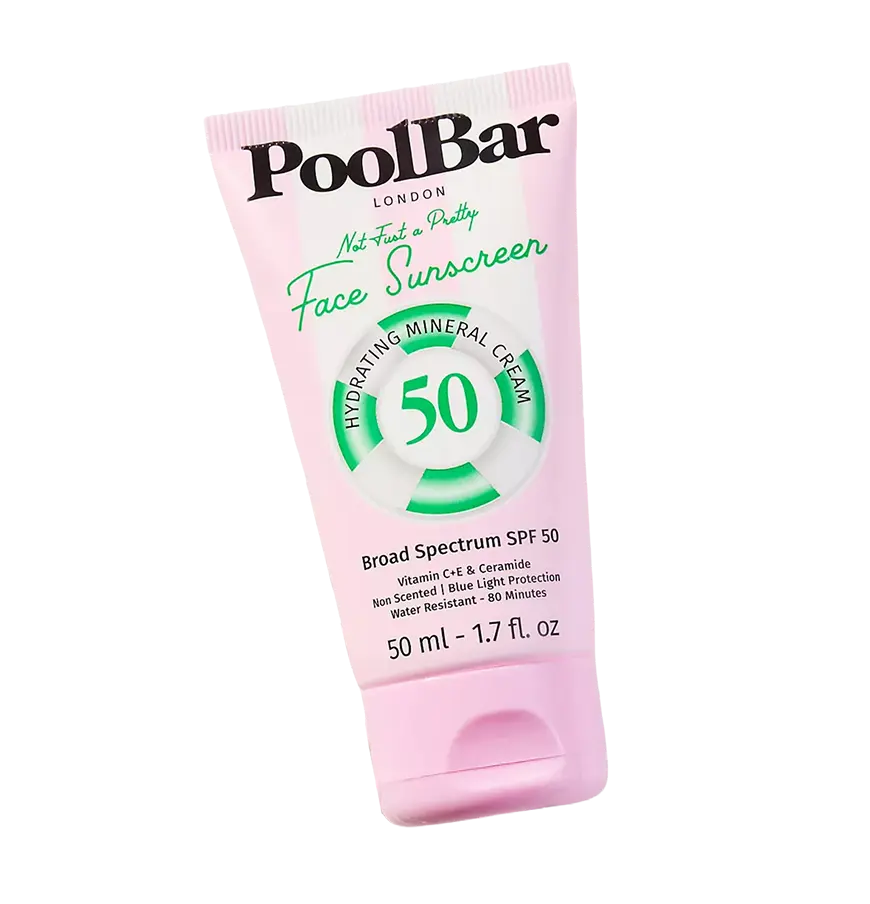
Mineral SPF 50 Face Cream – $14.99
A dedicated face formula with zinc oxide as the active ingredient for UVA/UVB protection. Fragrance-free, dermatologically tested, and free from oxybenzone, octinoxate, and parabens.
Broad spectrum SPF 50. Water resistant up to 80 minutes. Best for: sensitive and reactive skin, daily facial wear.
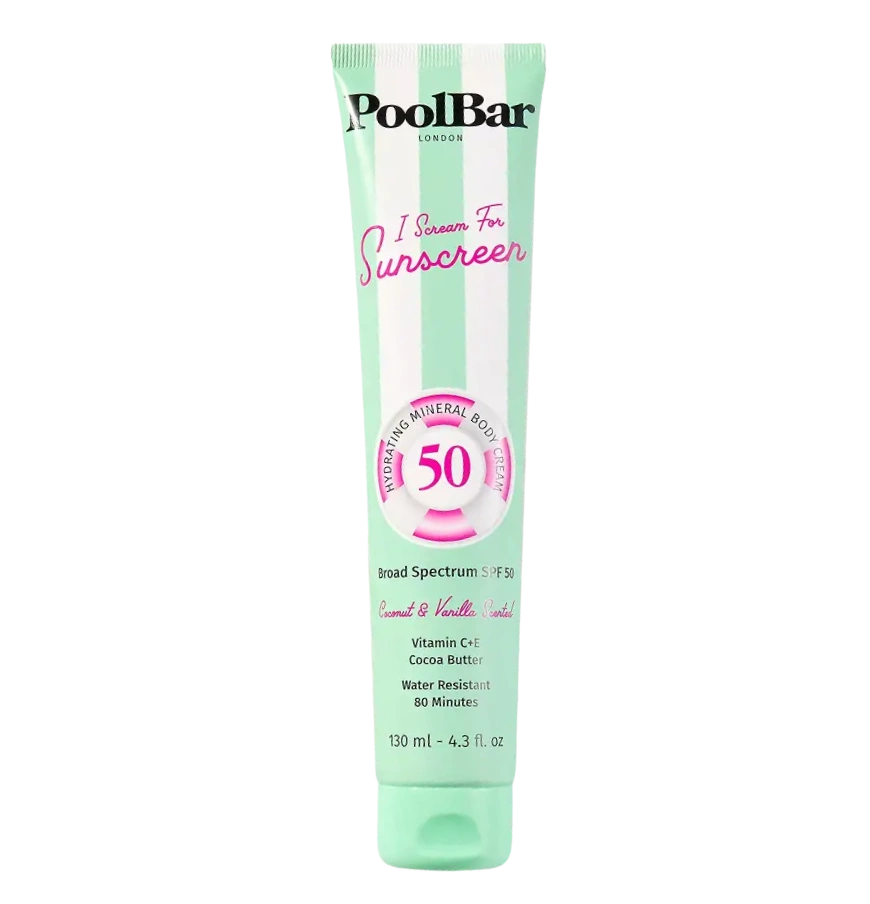
Mineral SPF 50 Body Cream – $19.99
Broad spectrum SPF 50 mineral protection for full-body coverage. Zinc oxide as the active ingredient, free from oxybenzone, octinoxate, and parabens. Dermatologically tested. Contains a Coconut and Vanilla scent. Water resistant up to 80 minutes. Best for: beach days, high UV index days, sensitive skin on the body.
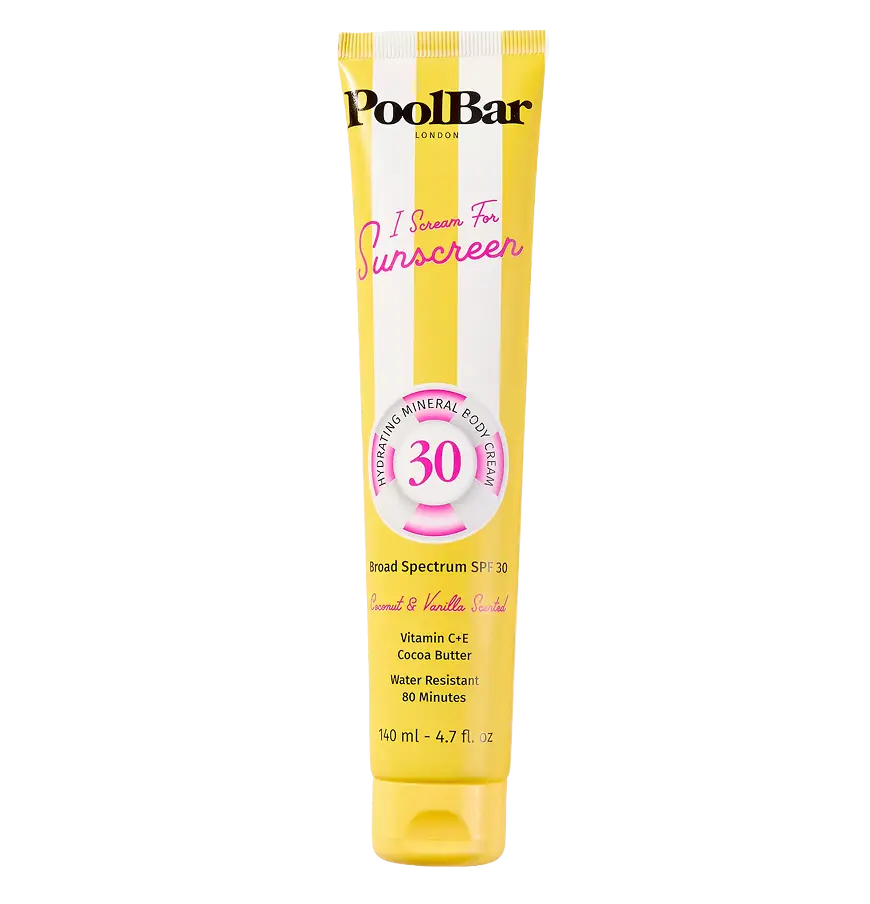
Mineral SPF 30 Body Cream – $19.99
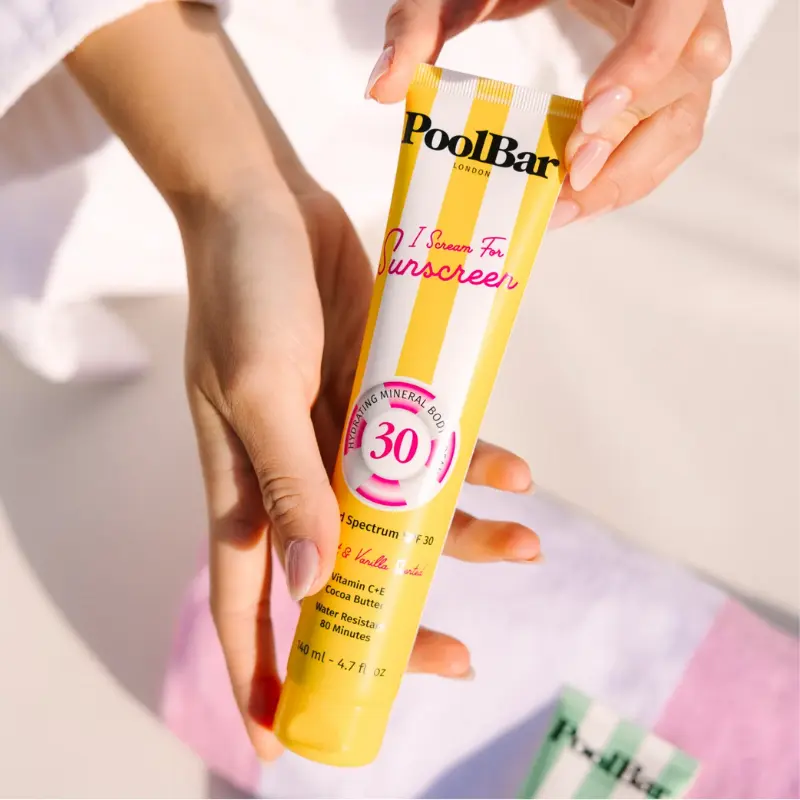
Moisturizing broad spectrum body formula with SPF 30 mineral protection. Zinc oxide as the active ingredient, free from oxybenzone, octinoxate, and parabens. Dermatologically tested. Contains a Coconut and Vanilla scent. Water resistant up to 80 minutes. Best for: extended outdoor exposure, families, dry and sensitive skin.
Aftersun Lotion – $11.99
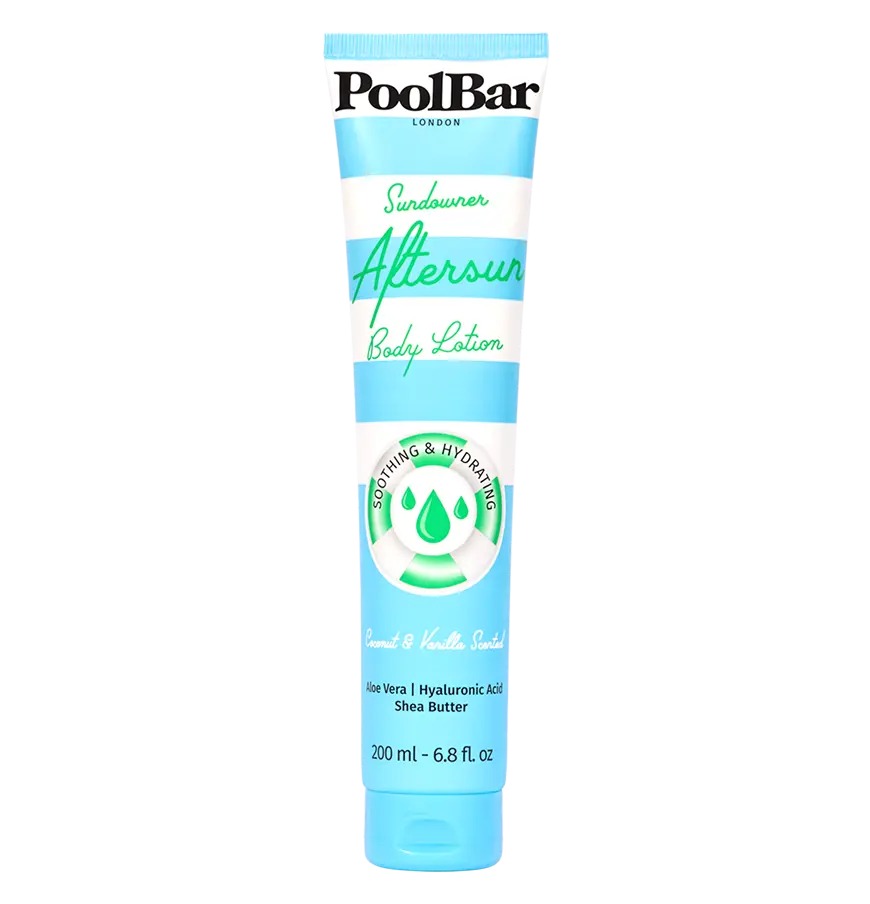
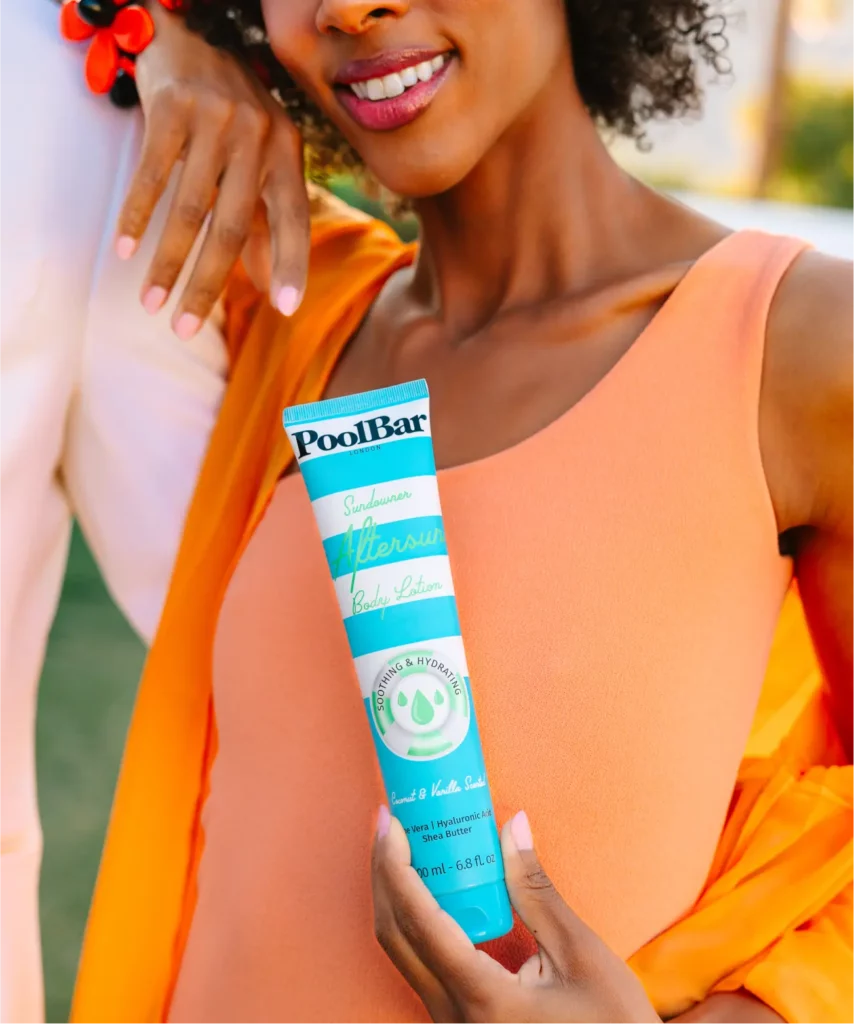
A soothing aftersun lotion to use after sun exposure. Enriched with Aloe Vera, Vitamins C and E, and Hyaluronic Acid to calm, hydrate, and support skin recovery after a day in the sun. Contains a Coconut and Vanilla scent. Free from oxybenzone, octinoxate, and parabens. Best for: calming and moisturizing sensitive skin after sun exposure.
Sunscreen For sensitive Skin - Frequently Asked Questions
What type of sunscreen is best for sensitive skin?
Dermatologists recommend mineral sunscreen using zinc oxide as the active ingredient for sensitive, reactive, and allergy-prone skin. Zinc oxide sits on top of the skin as a physical barrier and does not need to be absorbed to activate, which reduces the risk of irritation compared to chemical sunscreen filters.
Is zinc oxide safe for sensitive skin?
Yes. Zinc oxide is one of the most well-tolerated sunscreen active ingredients available. It does not penetrate the skin barrier, or interact with skin chemistry in the way chemical filters do, and has a long safety record in dermatology. PoolBar uses non-nano zinc oxide, meaning the particles are large enough that they’re way less likely to penetrate the skin barrier.
Can I use mineral sunscreen on my face every day if I have sensitive skin?
Yes. PoolBar’s Mineral SPF 50 Face Cream is fragrance-free, dermatologically tested, and formulated specifically for daily facial use. Zinc oxide as the active ingredient means it is suitable for sensitive and reactive skin types worn every day.
What ingredients should I avoid in sunscreen if I have sensitive skin?
Oxybenzone and octinoxate are among the most commonly cited causes of sunscreen-related skin reactions and contact dermatitis. Parabens are also worth avoiding for sensitive skin. Every PoolBar mineral formula is free from oxybenzone, octinoxate, and parabens.
Does sensitive skin sunscreen still protect against UVA and UVB rays?
Yes. Every PoolBar mineral formula carries broad spectrum certification, meaning it protects against both UVA and UVB rays. Zinc oxide is an effective active ingredient across the full UV spectrum, which is why it is approved under Hawaii Act 104 and recommended by dermatologists worldwide.
Is dermatologically tested sunscreen better for sensitive skin?
Dermatologically tested means the formula has been assessed by dermatologists to confirm it is suitable for use on skin. For sensitive skin, choosing a dermatologically tested formula adds an extra layer of confidence that the product has been reviewed for skin safety. Every formula in PoolBar’s mineral range is dermatologically tested.